
Call us now
08045476254

 Send Inquiry
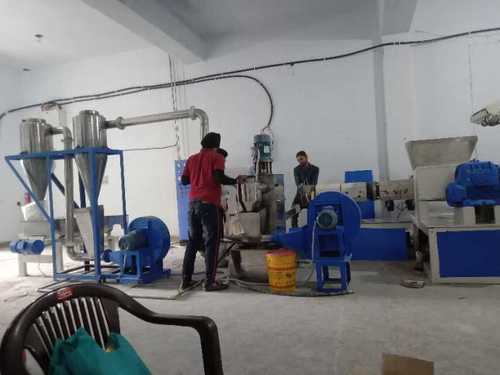
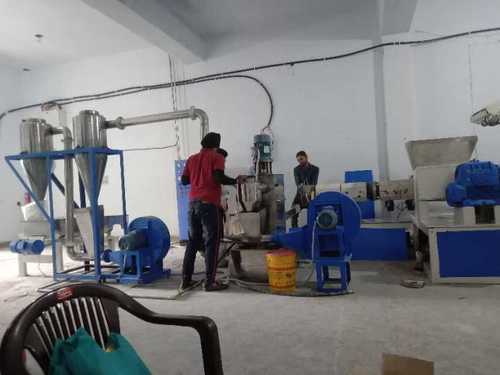
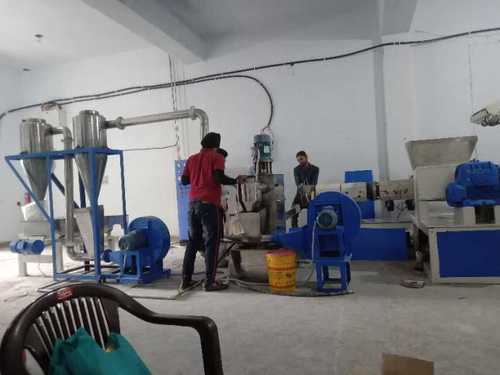
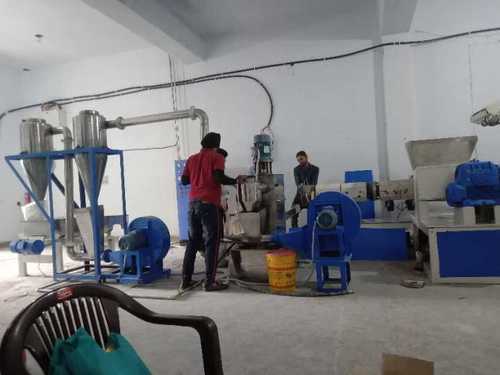
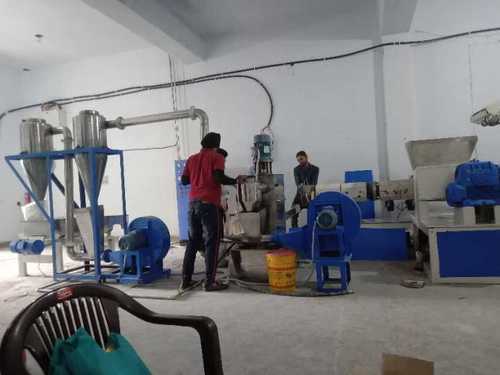
Master batch machine
Price 1000000 INR/ Piece
MOQ : 1 Quintal
Master batch machine Specification
- Type
- Master Batch Machine
- Material
- Stainless Steel
- Capacity
- 100-500 kg/hr
- Computerized
- Yes
- Automatic Grade
- Automatic
- Control System
- PLC Based
- Drive Type
- Electric Motor
- Screw Diameter
- 52 mm
- Power
- 45 kW
- Weight (kg)
- 3200 kg
- Dimension (L*W*H)
- 4000 x 1200 x 2100 mm
- Color
- Light Grey
- Voltage
- 380V / 50Hz
- Noise Level
- 85 dB
- Pelletizing Type
- Strand Pelletizing
- Rotor Speed
- Variable
- Cooling Mode
- Water-Cooled
- Safety Features
- Emergency Stop, Overload Protection
- Heating Zone
- 5 Zones
- Temperature Control
- Digital PID
- Extruder Type
- Twin-Screw Extruder
- Main Motor Speed
- Adjustable (0-1500 rpm)
- Feeding System
- Automatic Weighing & Dosing
- Torque
- High Torque Gearbox
- Application
- Plastic Compounding
About Master batch machine
A Masterbatch Machine is a specialized industrial system used for the production of masterbatch, which is a concentrated mixture of pigments, additives, or fillers encapsulated into a carrier resin. This masterbatch is later mixed with base polymers during the plastic manufacturing process to impart color or specific properties such as UV resistance, flame retardancy, anti-static behavior, or improved processing characteristics.
Advanced Feeding and Weighing System
Equipped with automatic weighing and dosing technology, this Master Batch Machine enhances compounding accuracy. The system precisely meters additives, pigments, and polymers, reducing product inconsistencies and material waste during plastic processing.
Efficient Twin-Screw Extrusion
The twin-screw extruder design, paired with high torque gearbox and adjustable motor speeds, provides intensive mixing and dispersion. This mechanism is suitable for a wide array of plastic formulations, enabling flexibility for different batch sizes and polymer types.
Enhanced Safety and User Interface
Features such as emergency stop functions, overload protection, and PLC-based computerized controls contribute to superior operational safety. The intuitive digital PID control and user-friendly interface allow operators to monitor processes and adjust parameters easily.
FAQs of Master batch machine:
Q: How does the automatic feeding system contribute to plastic compounding efficiency?
A: The automatic weighing and dosing system accurately measures and feeds materials into the extruder, ensuring consistent batch quality and minimizing manual errors. This results in efficient, repeatable processing and optimal compound properties.Q: What types of plastic materials can be processed using this Master Batch Machine?
A: This machine is suitable for various plastic polymers, including polyethylene, polypropylene, ABS, and additives or pigments. Its twin-screw extruder ensures thorough mixing required for producing high-quality master batches across different material types.Q: When should producers utilize the digital PID temperature control during operation?
A: Digital PID temperature control should be employed throughout production to maintain precise heating across the five zones. This consistent temperature management is critical for preventing degradation and achieving uniform dispersion of compounded materials.Q: Where is the cooling process implemented in the machine?
A: Cooling is achieved via a water-cooled system integrated into the extruder and pelletizing unit. This step stabilizes the processed material, maintains quality, and prevents overheating after the compounding process.Q: What benefits does strand pelletizing offer in master batch production?
A: Strand pelletizing produces uniform pellets that are easy to handle, dose, and transport. This method improves flow characteristics during downstream processing and ensures consistent master batch quality for further plastics applications.Q: How does the high torque gearbox assist in processing demanding formulations?
A: The high torque gearbox delivers the necessary rotational force to process viscous, filled, or highly loaded material blends. It supports intensive mixing and smooth operation, even with challenging or abrasive compounds, ensuring durability and reliability.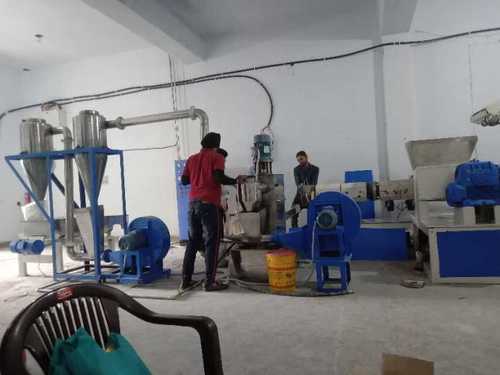
Tell us about your requirement

Price:
Quantity
Select Unit
- 50
- 100
- 200
- 250
- 500
- 1000+
Additional detail
Mobile number
Email

More Products in Granules Making Machinery Category
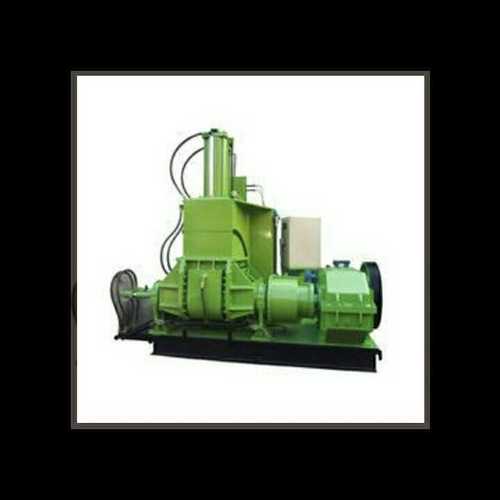
Ruber prosecing kneader machine
Price 12 INR
Minimum Order Quantity : 1 Set
Drive Type : Hydraulic, Other
Type : Rubber Kneader
Material : Steel
Color : Green
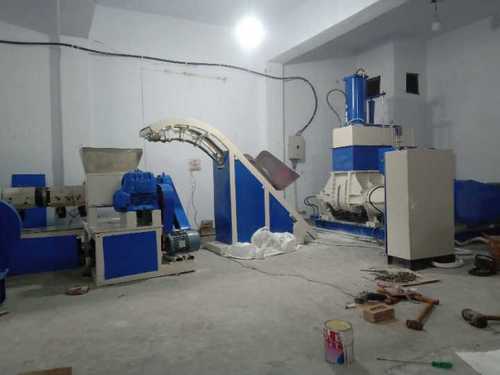
Master Batch Machines, For Industrial Usage
Price 2000000 INR
Minimum Order Quantity : 1 Plant
Drive Type : Other, Motorized
Type : Master Batch Machines
Material : Metal
Color : Blue and White

ARYASH MACHINERY WORKS
GST : 07JESPK5227N1ZM
GST : 07JESPK5227N1ZM
A-184-B, Swarn Park, Mundka, Industrial Area, Near Metro Pillar No.497, New Delhi - 110041, India
Phone :08045476254
 Send Inquiry
 Send Inquiry
 Send SMS
 Call Me Free
ARYASH MACHINERY WORKS
All Rights Reserved.(Terms of Use)
Developed and Managed by Infocom Network Private Limited.
Developed and Managed by Infocom Network Private Limited.

